What “greener protein” actually means
Why compare the footprint of the protein itself, and what can that comparison tell us?
Read article
The UK guide to greener protein
From pulses and livestock to fermentation and cultivated meat, explore the options with evidence, not hype.
Food, measured fairly
The basis
Every route is considered against the same functional unit. It is a fairer starting point than comparing a kilo of one food with a kilo of another. Nutrition, production system and evidence quality still matter.
See how comparisons workEight routes. No easy answers.
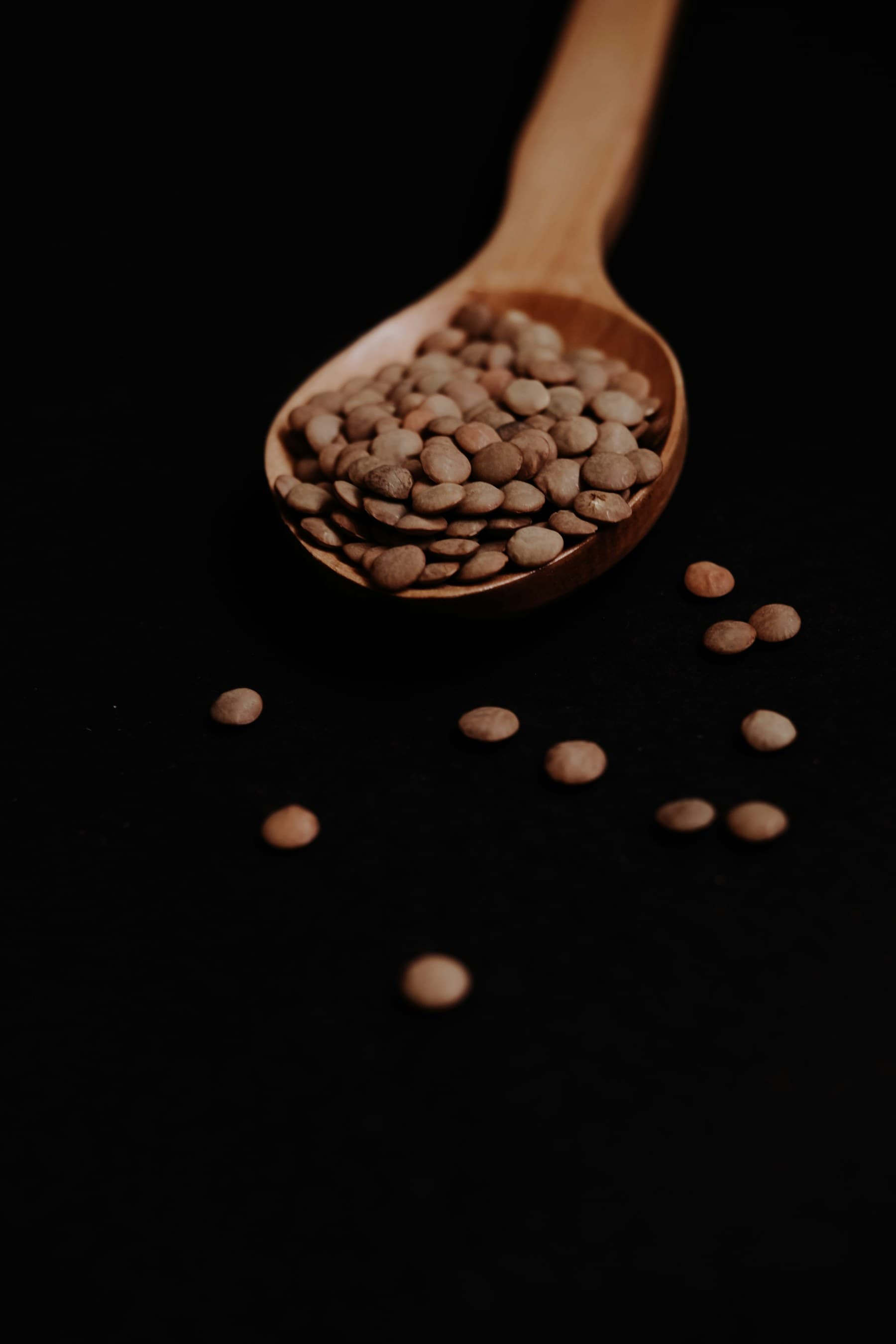 01Pulses and legumesBeans, peas, lentils and chickpeas
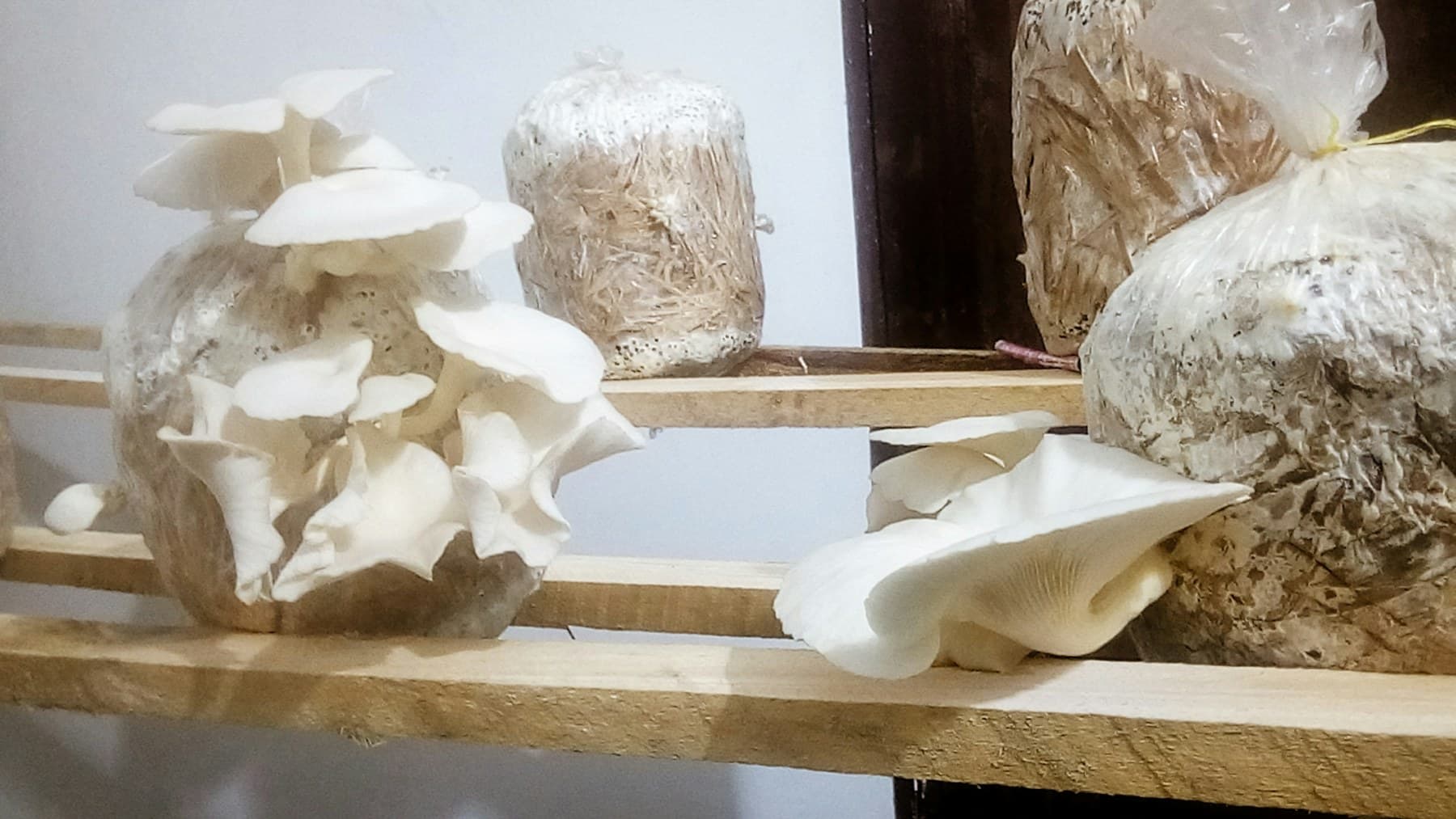 02Mycoprotein and biomass fermentationProtein-rich fungi grown by fermentation
 03Precision fermentationSpecific ingredients made by engineered microbes
 04Cultivated meatAnimal cells grown as food
 05InsectsInsect-derived ingredients for food and feed
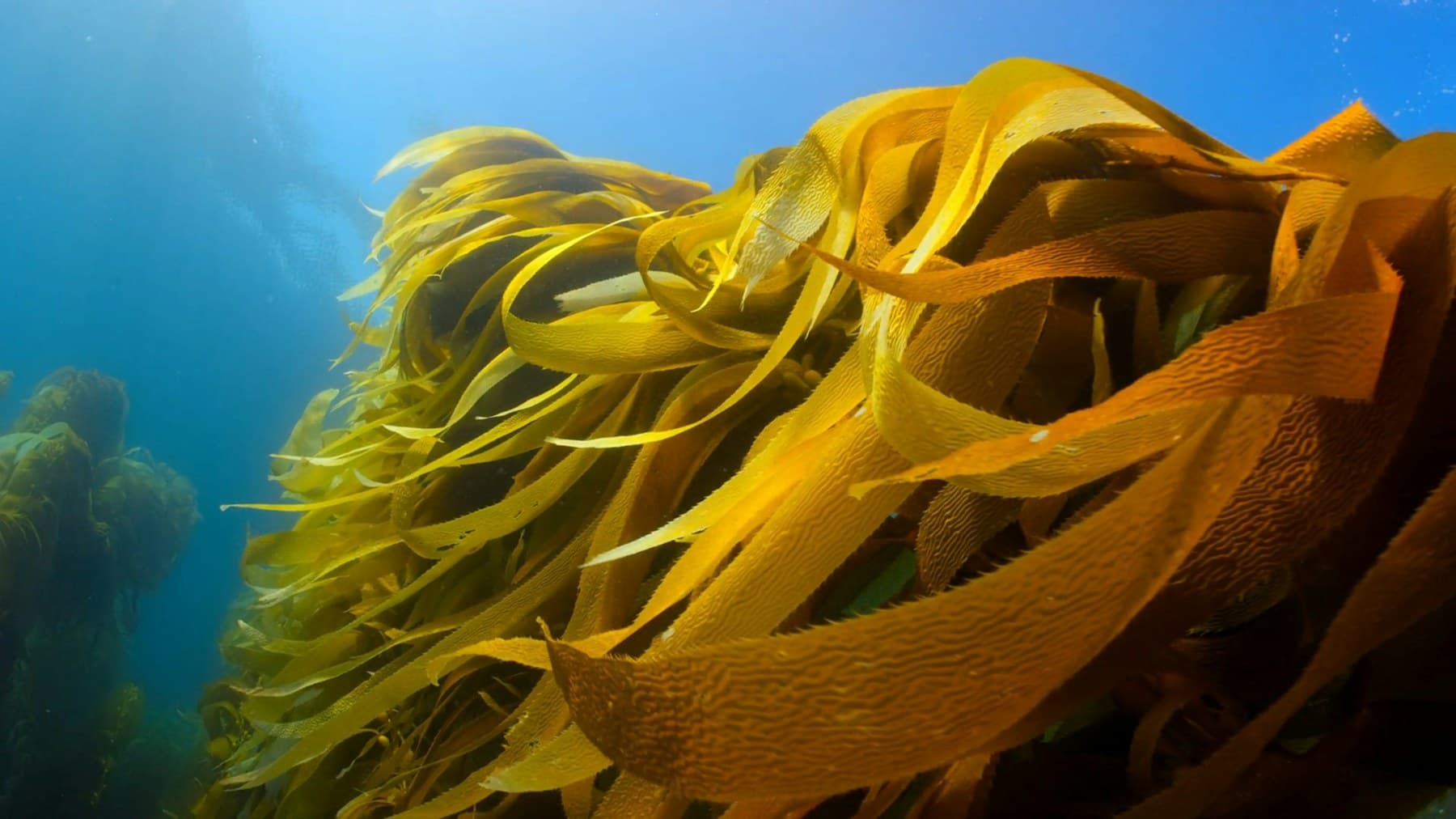 06Algae and seaweedAquatic organisms with varied protein potential
 07Gas (air) fermentationMicrobes fed on gases and energy
 08Livestock, done betterImproving existing animal production fairly
Read the evidence
Why compare the footprint of the protein itself, and what can that comparison tell us?
Read articleBeans, peas and lentils are hardly futuristic. The harder question is why UK production and consumption remain modest.
Read articleHow microbes can make specific proteins, and what UK food rules mean for products hoping to reach market.
Read articleA physicist’s way to ask what goes in, what comes out and which efficiencies matter.
Read article