
Not an alternative in most of the world
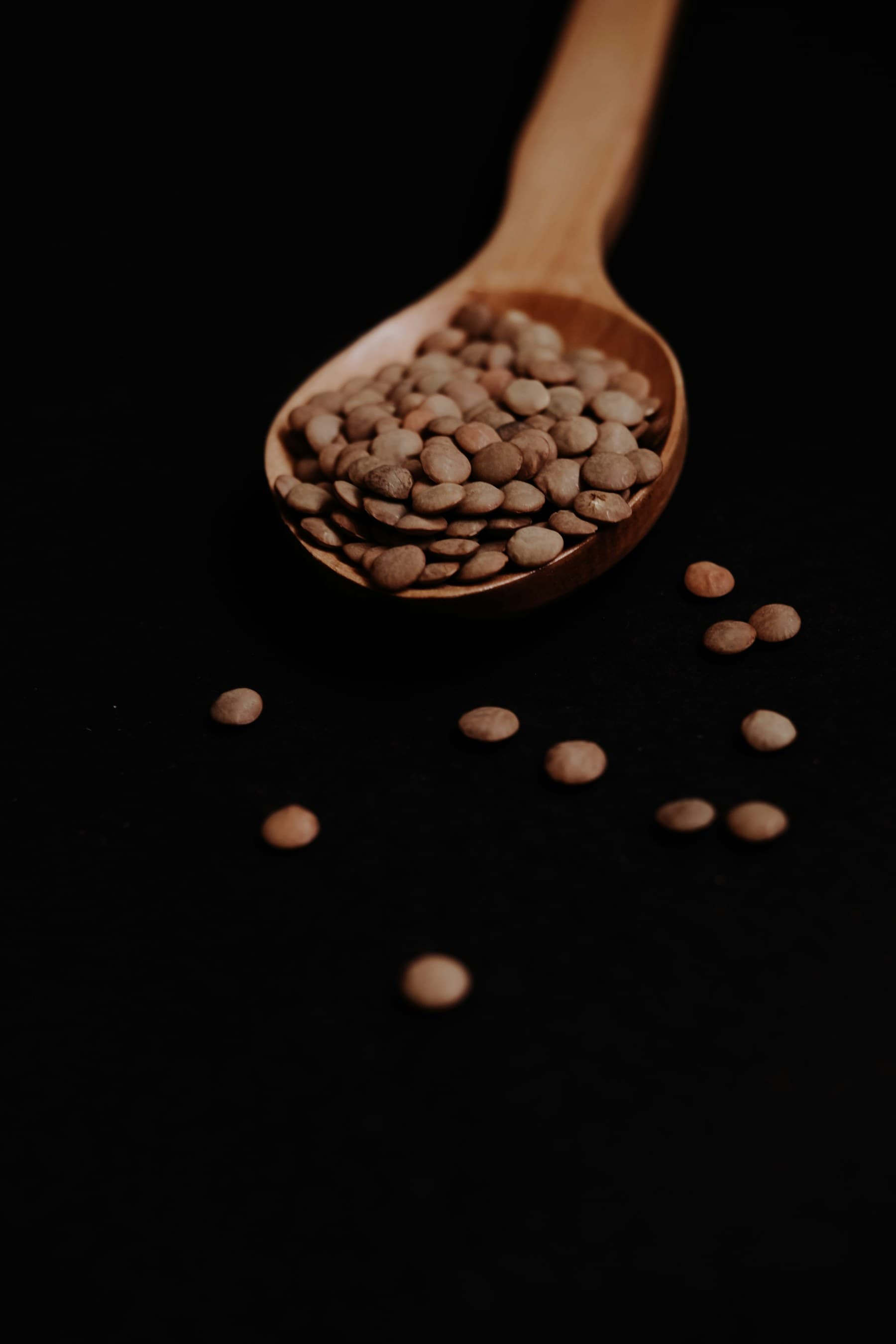
Pulses have fed people for generations. Beans, chickpeas, peas and lentils are familiar crops in cuisines around the world, and they bring protein together with fibre and other nutrients.
Calling them “alternative protein” says more about the current UK conversation than it does about the food. Their opportunity is not to imitate meat in every dish; it is to make nutritious, satisfying meals easier to choose.
A crop with more than one job
Legumes can contribute to crop rotations and may reduce the need for synthetic nitrogen fertiliser in following crops, depending on the species and farming system. That agronomic role is one reason their value cannot be judged only by the protein in a packet.
But a crop rotation is local. Soil, weather, varieties, markets and farm economics shape what can be grown. A crop with potential on paper still needs seed, equipment, storage, processing and a buyer.
Why the UK grows fewer pulses than it could
There is no single barrier. Farmers weigh yield risk and prices against other crops. Food makers need reliable volumes and consistent ingredients. Consumers need products and recipes that fit everyday meals. Imports can be simpler than building a domestic chain from scratch.
More UK-grown pulses would therefore depend on a connected market: crop research, practical agronomy, cleaning and processing capacity, contracts and demand. “Eat more beans” is a useful invitation, not a whole supply-chain plan.
The Greensome view
Pulses deserve attention because they are familiar, versatile and already part of working food systems—not because they need a futuristic rebrand. The next step is to make the UK supply chain more dependable and the food more convenient.
They are not a perfect answer for every person or meal. But they should be among the first things we compare when asking how to produce protein with less pressure on land and climate.